Mastering Formal Wear Fitting Solutions: Overcoming Challenges in Alterations
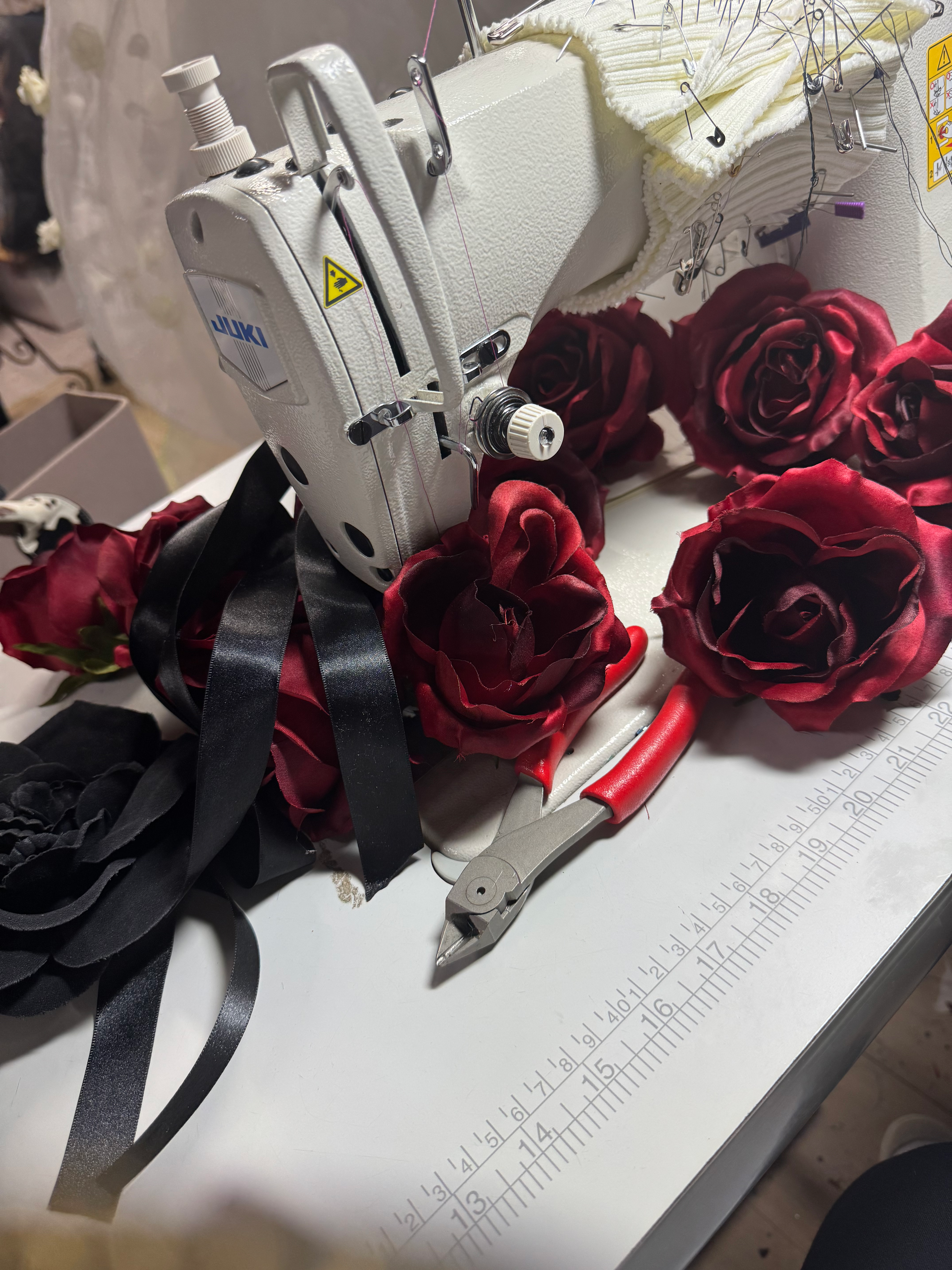
When you slip into formal wear, you want to feel confident, comfortable, and radiant. But sometimes, the perfect dress or suit off the rack just doesn’t fit quite right. That’s where alterations come in. Altering formal wear can be tricky, but with the right approach, you can overcome any obstacle and achieve a flawless fit. I’m here to guide you through the most common challenges and share practical tips to help you get the best results for your special occasion.
Understanding Formal Wear Fitting Solutions
Formal wear is unique. It often involves delicate fabrics, intricate designs, and precise tailoring. Because of this, alterations require special care and expertise. Whether it’s a wedding gown, a prom dress, or a tuxedo, the goal is to enhance the garment’s natural beauty while ensuring it fits your body perfectly.
Here are some key points to keep in mind when thinking about formal wear fitting solutions:
Fabric sensitivity: Silks, satins, and lace can be easily damaged if handled roughly.
Complex construction: Many formal garments have built-in structures like boning, linings, and embellishments.
Fit precision: Even a small adjustment can change the overall look and comfort.
Time constraints: Special occasions often mean tight deadlines for alterations.
By understanding these factors, you can better prepare yourself and your tailor for a smooth alteration process.

Common Challenges in Formal Wear Alterations and How to Tackle Them
Every formal wear alteration project comes with its own set of hurdles. Let’s explore some of the most frequent challenges and how you can overcome them:
1. Adjusting the Length Without Losing Style
Shortening a gown or suit pants might seem straightforward, but it’s easy to lose the garment’s original style or hem detail. To avoid this:
Ask your tailor to preserve any lace trims, beading, or decorative hems.
Consider hemming from the inside if the fabric allows.
Try on the garment with the shoes you plan to wear to get the perfect length.
2. Taking in or Letting Out for a Perfect Fit
Sometimes, you need the garment to be tighter or looser. This can be tricky with formal wear because of the structure and fabric:
For tight fits, ensure the fabric has enough give or stretch.
When letting out, check if there is enough seam allowance.
Avoid drastic size changes that could distort the garment’s shape.
3. Handling Delicate Fabrics and Embellishments
Formal wear often features fragile materials and decorations that can be damaged during alterations:
Choose a tailor experienced with delicate fabrics.
Discuss any concerns about beads, sequins, or embroidery.
Request hand-sewing for areas with embellishments to avoid damage.
4. Maintaining Comfort and Mobility
A beautiful garment should also be comfortable to wear:
Make sure armholes and sleeves allow for easy movement.
Check that the garment doesn’t pinch or bind when sitting or walking.
Consider adding discreet stretch panels if needed.
5. Meeting Tight Deadlines
Special occasions don’t wait, and neither should your alterations:
Schedule your fitting appointments well in advance.
Communicate your event date clearly to your tailor.
Allow time for multiple fittings if possible.
By addressing these challenges thoughtfully, you can enjoy a garment that looks stunning and feels just right.
Practical Tips for a Smooth Alteration Experience
To make your formal wear alteration journey as stress-free as possible, here are some actionable recommendations:
Choose the right tailor: Look for someone with experience in formal wear and positive reviews.
Bring your accessories: Shoes, jewelry, and undergarments can affect the fit.
Be honest about your comfort: Don’t sacrifice comfort for style; a good tailor will balance both.
Attend all fittings: Each fitting is an opportunity to fine-tune the garment.
Ask questions: Don’t hesitate to clarify any doubts about the process or timeline.
Remember, alterations are a collaboration. Your input helps the tailor deliver the best results.

Why Professional Alterations Matter for Your Special Occasion
When you invest in formal wear, you deserve it to fit like it was made just for you. Professional alterations can transform a garment from “almost right” to “perfect.” This is especially important for events where you want to shine and feel your best.
Here’s why professional alterations are worth it:
Enhanced confidence: A well-fitted outfit boosts your self-esteem.
Flawless appearance: Tailoring highlights your best features.
Longevity: Proper alterations can extend the life of your garment.
Customization: You can add personal touches or modify styles to suit your taste.
If you’re facing any formal wear alteration challenges, remember that expert help is available to guide you through every step.
Embracing Your Perfect Fit Journey
Getting your formal wear just right is a rewarding experience. It’s about more than just clothes - it’s about feeling amazing on your special day. By understanding the challenges and working closely with a skilled tailor, you can overcome any obstacle.
Take your time, communicate openly, and trust the process. Soon, you’ll be stepping out in a garment that fits beautifully and makes you feel truly unforgettable.
If you’re ready to start your alteration journey, remember that the right support makes all the difference. Your perfect fit is waiting!


Comments